
Plan a car-free family outing backwards from the trip home
Find the return journey for the actual day before choosing the outing’s finish time. Add the walk to the stop, boarding needs and connections, then aim for an earlier usable service rather than treating the final departure as spare time. Current transport planners help check services and alerts; they do not establish a 2028 timetable years ahead.
Work backwards: invented timing example
| Step | Example | Consequence |
|---|---|---|
| Usable return departure | 4.30pm | Confirm the actual day and service |
| At the boarding point | 4.15pm | Allow time for the family to board |
| Walk from venue | 20 minutes in this example | Leave the venue by 3.55pm |
| Toilets and collecting belongings | 15 minutes | Finish the activity by 3.40pm |
| Last service | Later than the planned return, if one exists | Check the real backup; do not assume it runs |
Check every leg, not only the main train
| Detail | Question | Record |
|---|---|---|
| Day | Weekday, weekend or public-holiday service? | Actual date |
| Connection | Does the second service still run on arrival? | Transfer point and time |
| Access | Lift, boarding or walking requirement? | Current alerts and suitable route |
| Fallback | What if the planned service is missed? | A usable alternative and contact |

A door-to-door plan needs both directions
Transport for NSW’s official transport-app guidance describes door-to-door trip planning, service updates and real-time information. Use the equivalent official planner for the destination, entering the actual date and the return direction rather than reversing an outward itinerary by eye.
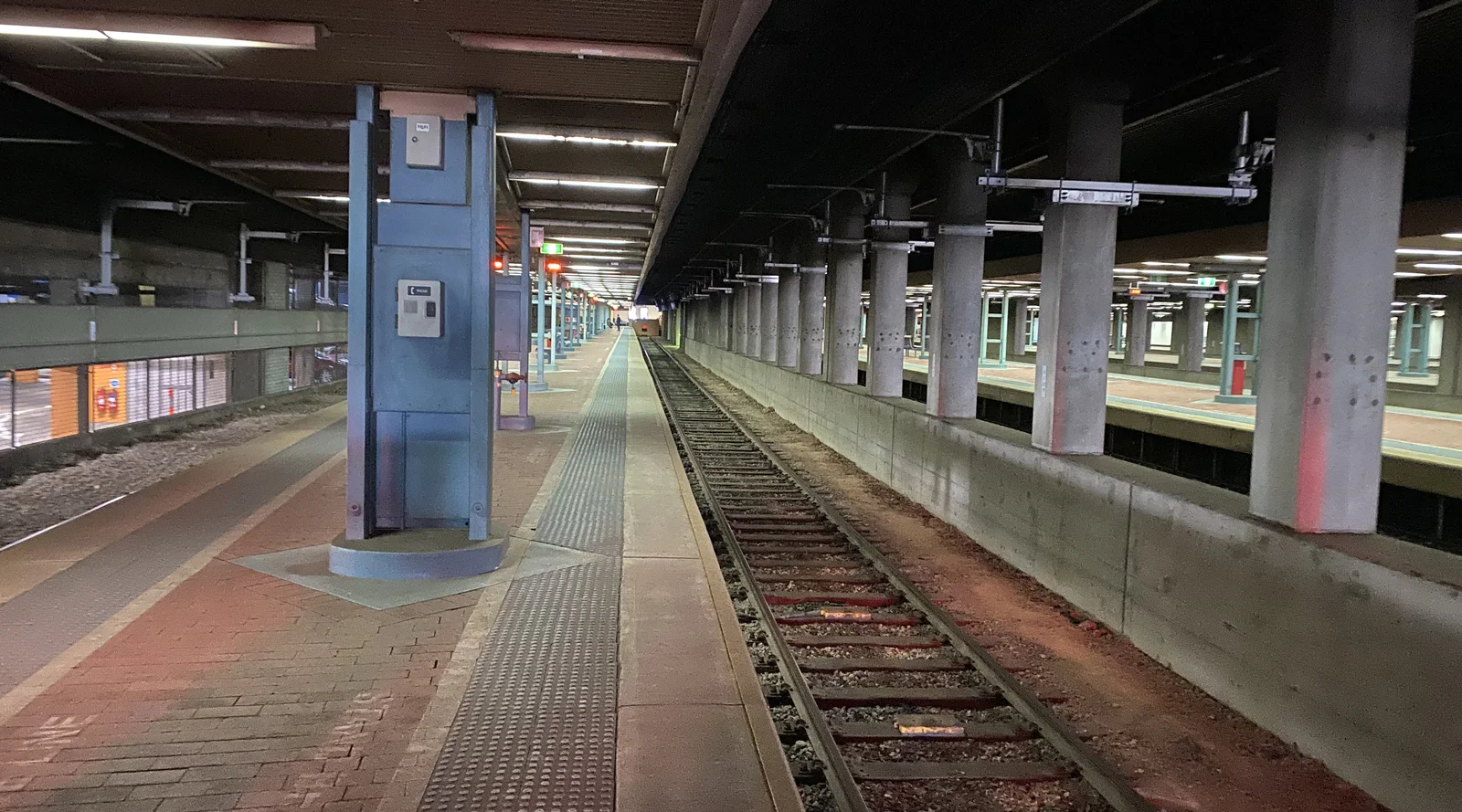
Check the final walk to the accommodation or home as well as the main rail or ferry arrival. A frequent daytime service may not continue with the same pattern late in the day. The historical Adelaide photograph is context, not a service promise.
Choose the finish time from the boarding point
The sample times are invented. They show how a 4.30pm departure can require finishing an activity at 3.40pm once toilets, belongings, walking and boarding time are included. Replace every allowance with the family’s actual route and needs.
An attraction’s 5pm closing time is irrelevant if the usable trip home leaves earlier. Put the return departure into the shared plan before buying a timed afternoon activity.
Use a real backup, not “the next one”
Check whether another suitable service actually follows, including connections and the final leg. If the plan depends on the last departure, consider an earlier activity finish, another route or a different outing. A paid taxi alternative also needs suitability and a realistic cost.
For travellers who need a particular accessible route, check lift and service alerts and what happens if that route is unavailable. Transport for NSW specifically advises allowing extra time when lifts or toilets are out of order.
Recheck the service close to the outing
A future school-break date can be confirmed while the detailed transport timetable is not yet published. Plan the date first and verify the actual service and disruptions when available, then again before leaving. Do not turn today’s departure into a confirmed 2028 service.
Keep a saved route and the relevant contacts, but use current updates for changes. If the family is tired earlier, taking an earlier suitable service is a valid end to the outing rather than a reason to add another stop.
Choose a day your children are off
The dates cover government schools. Catholic and independent schools, year-level finishes and local pupil-free days can vary.
- Queensland official calendar
- NSW · Eastern division official calendar
- Victoria official calendar
- South Australia official calendar
- Western Australia official calendar
- Tasmania official calendar
- ACT · continuing students official calendar
- Northern Territory official calendar
Sources and checks
Official sources checked 25 Nov 2026. Dates, prices, opening arrangements and booking conditions can change before your visit. Ongoing attractions are distinguished from separately dated exhibitions and programmes.
Related school holiday guides
- Refundable or non-refundable accommodation: compare the whole family booking
- What would cancelling three holiday activities actually cost?
- Check two school calendars before paying a family trip deposit
- A go-or-postpone sheet for a family holiday road trip
- Pack for two climates without guessing the baggage allowance